How to select the right expansion joints
Expansion joints, also known as pipe compensators or telescopic joints, are critical components in piping systems and essential for the safe operation of pipelines. Their core advantage lies in effectively absorbing displacement and stress caused by thermal expansion/contraction, installation errors, mechanical vibration, or foundation settlement, thereby preventing pipeline rupture, deformation, or equipment damage due to excessive stress.
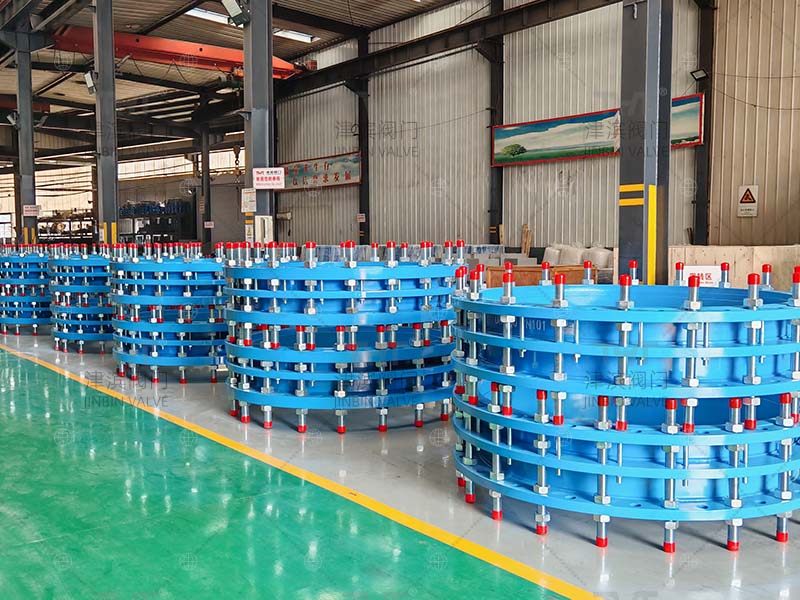
Designed with flange connections, these expansion joints offer easy installation, allowing flexible adjustment to on-site construction requirements without modifying the main pipeline during later maintenance and repairs, significantly improving construction and operational efficiency. They also provide excellent vibration and noise reduction capabilities, attenuating vibration transmission from pumps, valves, and other equipment, reducing noise pollution, and extending the service life of pipelines and associated equipment.
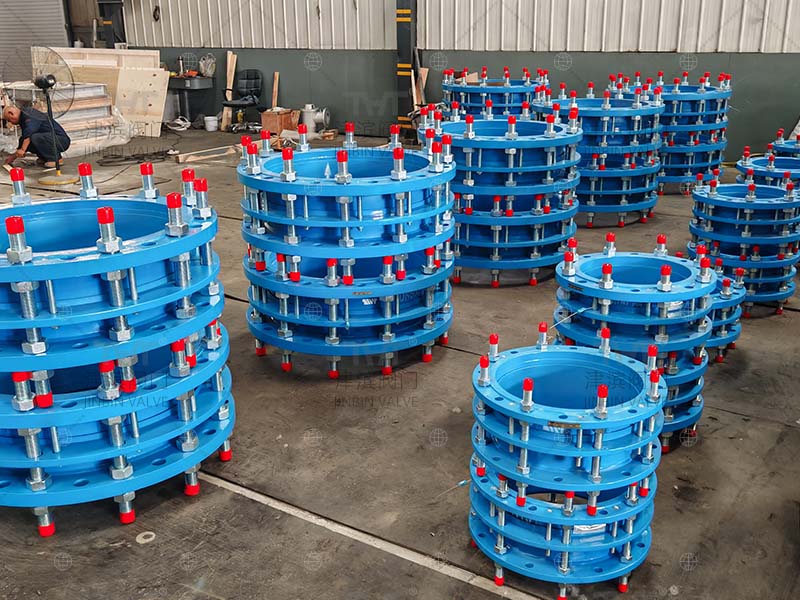
Constructed with carbon steel or stainless steel bodies and anti-corrosion coatings, these expansion joints are high-pressure resistant, anti-aging, and highly adaptable. They are widely used in municipal water supply and drainage networks, industrial chemical and power transmission pipelines, building HVAC systems, and waterworks and pumping station projects, serving as core components to ensure the long-term stable operation of various piping systems.
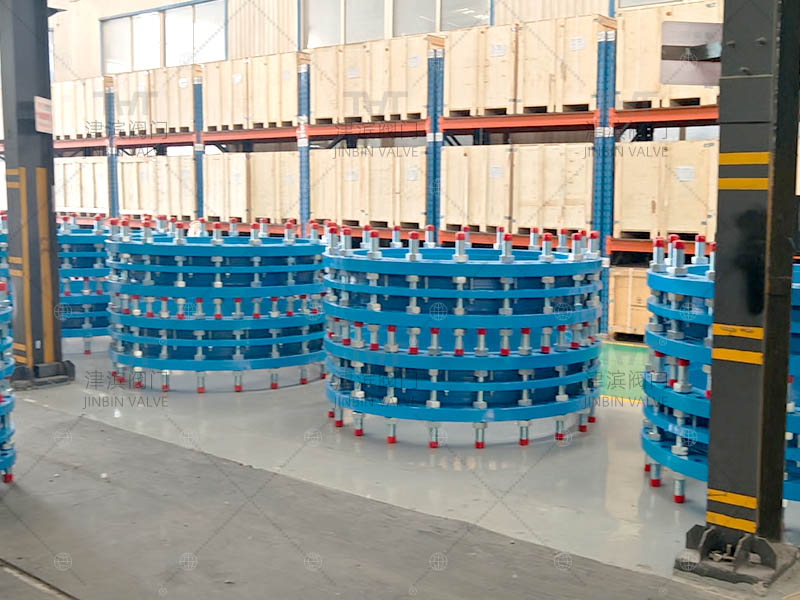
To select the right expansion joint, the key is to match the product with the pipeline’s working conditions, medium environment, installation conditions, and supporting equipment. The following key points can guide quick selection: First, determine the displacement caused by temperature changes, installation errors, or foundation settlement, ensuring the expansion joint’s compensation capacity exceeds the actual working conditions with a 10%-20% safety margin. Simultaneously, match the nominal pressure and medium temperature of the pipeline by selecting products with corresponding pressure ratings, and ensure the material and seals are compatible with the medium—carbon steel with anti-corrosion coatings is suitable for water supply and drainage systems, while stainless steel is required for corrosive media.
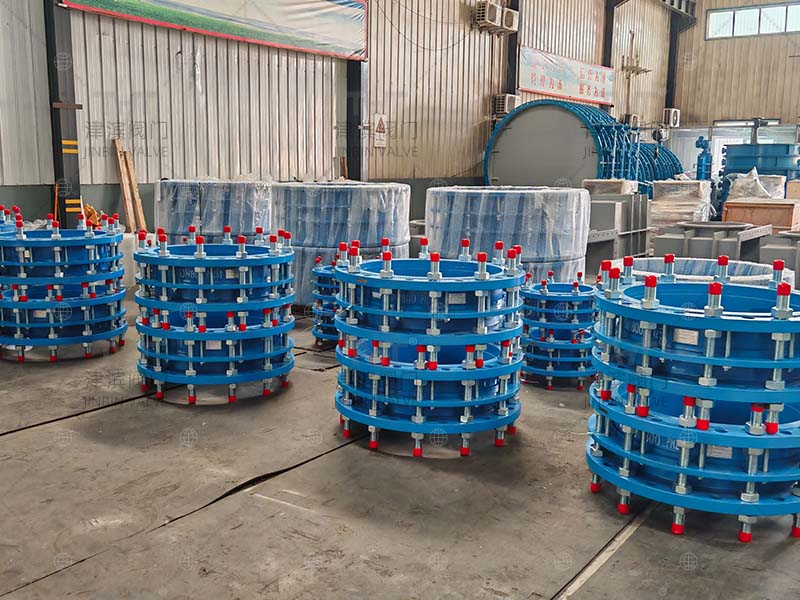
For installation scenarios, double-flange limit expansion joints are preferred for municipal water supply and drainage systems; long-distance pipelines should use expansion joints with limit tie rods; and detachable double-flange expansion joints are recommended for equipment inlets and outlets to facilitate maintenance. Finally, verify that the flange standards and installation space are compatible with the site requirements, and prioritize products that meet industry standards with complete test reports to ensure engineering acceptance and long-term operational stability.
Jinbin Valves has been manufacturing valves for 20 years, specializing in metallurgical valves, various types of sluice gates, and other water conservancy valves. Customized valve solutions are available. Please contact us via email if you have any related requirements.