What is a Pneumatic Diaphragm Valve
Pneumatic diaphragm valves are industrial valves that combine automatic control with manual emergency capabilities, whose core advantages and application scenarios are highly suitable for harsh working conditions. They rely on a diaphragm to completely isolate the medium chamber from the actuator chamber, eliminating external leakage at the source through a stuffing-box-free design, while also protecting upper components like the valve stem from corrosion by the medium, making them ideal for working conditions involving toxic and highly corrosive media. With a full-bore smooth flow path that offers low flow resistance, the DN40 size provides high flow capacity and is not prone to clogging, making it suitable for media containing particles or prone to crystallization.
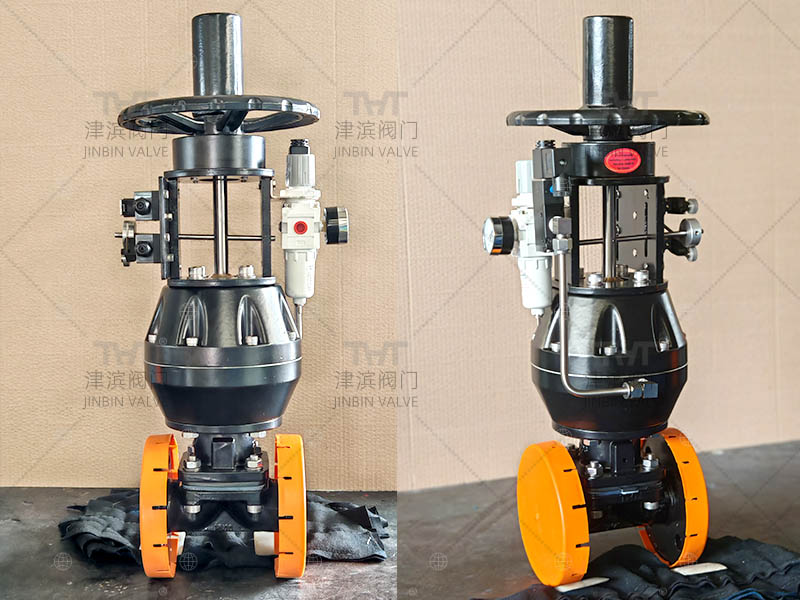
The valve body can be lined with plastic or made of corrosion-resistant materials, and paired with diaphragms such as EPDM or PTFE, it can stably handle highly corrosive fluids like acid-base solutions, brines, and wastewater. The top handwheel enables manual opening/closing and position locking in the absence of air supply, and when combined with the filter pressure regulator on the side, it supports both remote automatic control and emergency operation under unexpected conditions, meeting the needs of automation and safety redundancy. Featuring a simple overall structure, the diaphragm is easy to replace, offering up to tens of thousands of switching cycles, stable operation, and low maintenance costs.
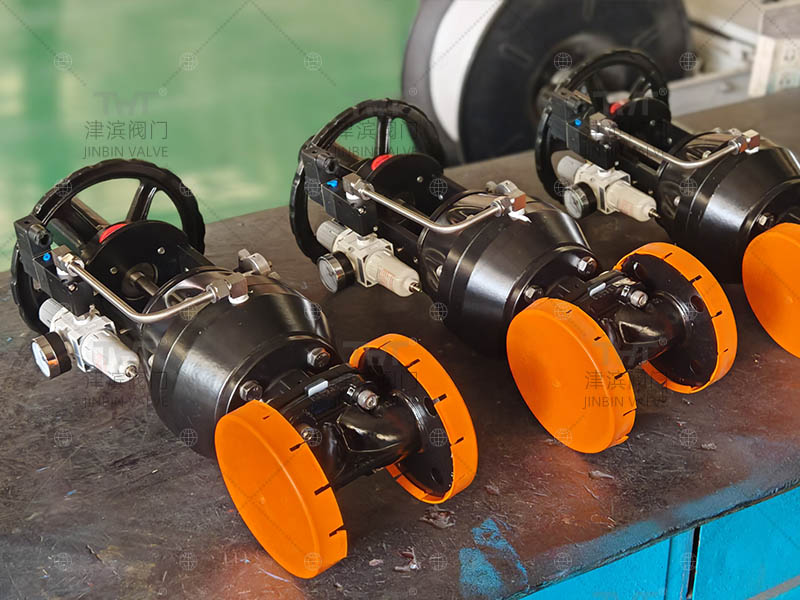
They also have excellent anti-fouling and easy-to-clean properties. The dead-zone-free flow path prevents medium residue, ensuring stable sealing performance even under frequent start-stop conditions, and can adapt to various pipeline conditions including positive pressure and slight negative pressure.
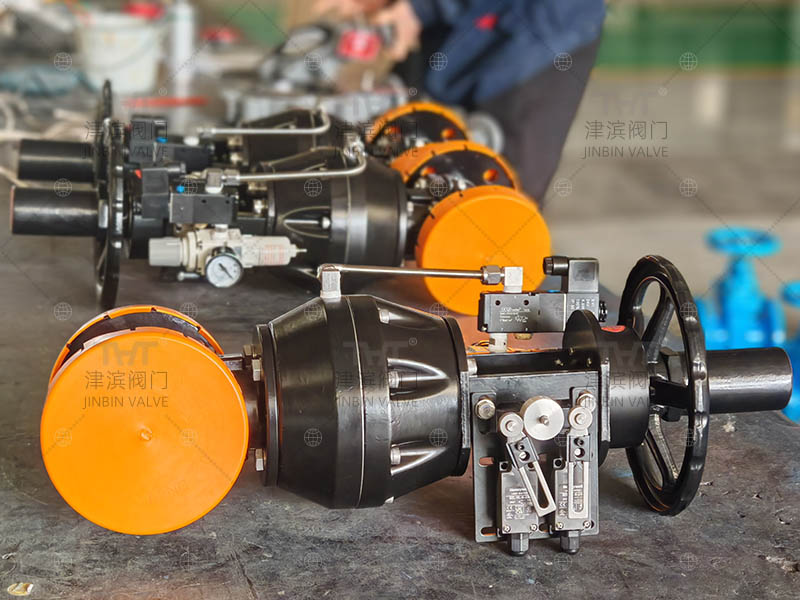
They are widely used in industries such as chemical, environmental protection, water treatment, and pharmaceuticals: in the chemical industry, they are used to transport corrosive fluids like hydrochloric acid and lye; in environmental wastewater treatment, they are suitable for sewage discharge and chemical dosing involving sludge and impurities; hygienic versions for the pharmaceutical and food industries meet the requirements of clean fluids and sterile processes. They are also applied in acid-base medium transportation and process control in industries like metallurgy and power generation, especially for batch or continuous process pipelines that demand high sealing reliability and corrosion resistance, making them a cost-effective solution for complex working conditions and special media scenarios.
Jinbin Valves manufactures a variety of valve types with 20 years of valve manufacturing experience. If you have any related valve requirements, please leave a message below to contact us.